Let’s be real: Most people think website accessibility is a boring “check-the-box” legal chore.
They’re wrong.
In fact, the myths floating around the digital space are actually preventing some of the world’s best mission-driven brands from reaching the people who need them most.
We’re here to bust the ghost stories and get back to what matters—equal access for everyone.
Myth #1: “Our target audience doesn’t have disabilities.”
This is the big one. And it’s a total fabrication.
Roughly 25% of adults in the U.S. live with some form of disability and have a frustrating experience using the web. Think: ADHD, dyslexia, autism, epilepsy, colorblindness, low vision, deafness and more.
If you think a quarter of your potential supporters don’t exist, you’re not just missing out on impact; you’re leaving your community behind.
Accessibility isn’t for a “niche” group—it’s for humans.
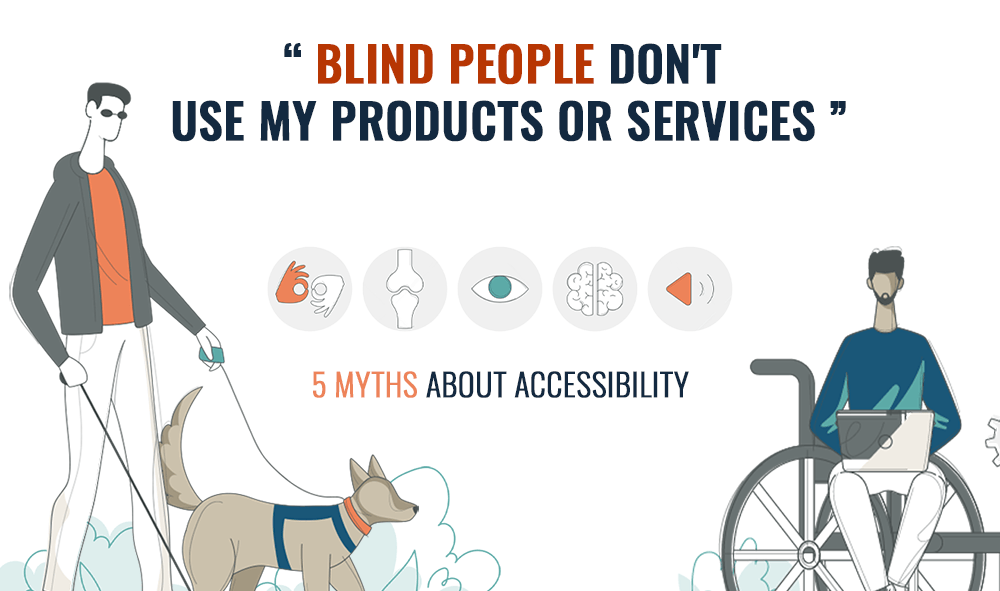
Myth #2: “Ok, maybe some people with disabilities use our products, but blind people (or people in a wheelchair or deaf people, etc) don’t need our products or services.
People with disabilities have husbands, wives, parents, kids, friends, etc., etc.
Just like people without disabilities, they buy gifts online. They research online. They play games online. People with disabilities use the web for the same reasons that people without disabilities use the web.
Myth #3: “Accessible sites are ugly and boring.”
This myth hurts our design-loving souls.
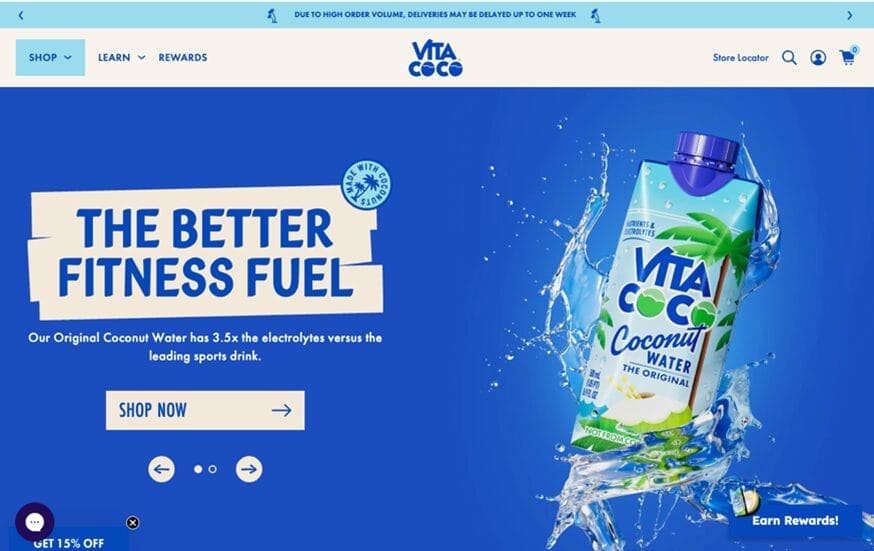
Accessibility isn’t about stripping away the “cool” stuff; it’s about better UX for everyone.
High contrast, clear typography, and logical navigation actually make your site look cleaner and more professional.
You don’t have to sacrifice your aesthetic to be ethical.
Myth #4: “Getting a website accessible is super confusing and there are no clear guidelines.”
There are very specific guidelines, called the Web Content Accessibility Guidelines, that define how to make a website accessible.
They are technical and nuanced and do require an accessibility trained auditor and developer to implement.
The Bottom Line
Accessibility is the ultimate expression of your values.
It’s about making sure your mission is heard by everyone, regardless of how they navigate the screen.